
01
Prepared for an individual
A compounded prescription is prepared for a patient when a clinician determines it is medically appropriate.
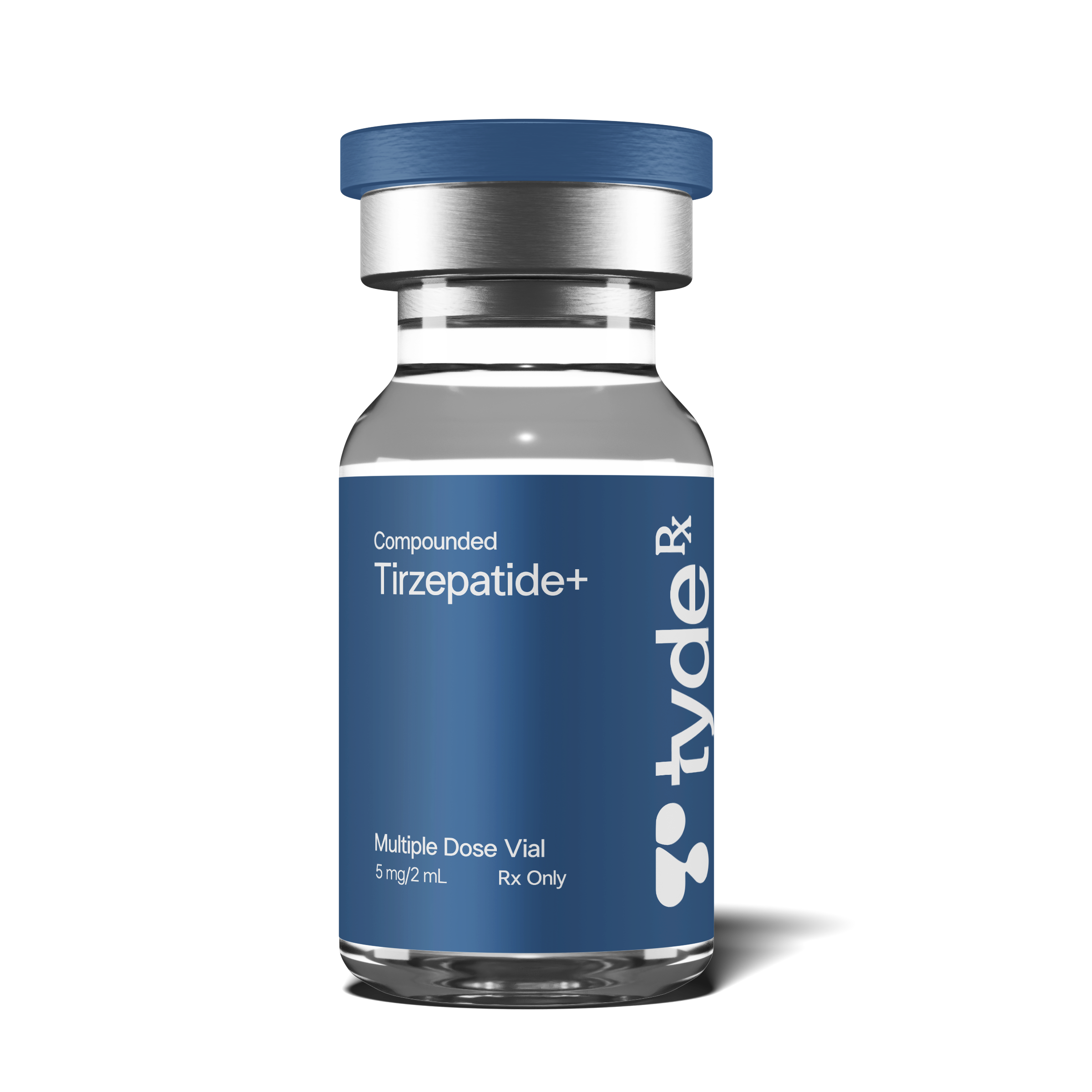

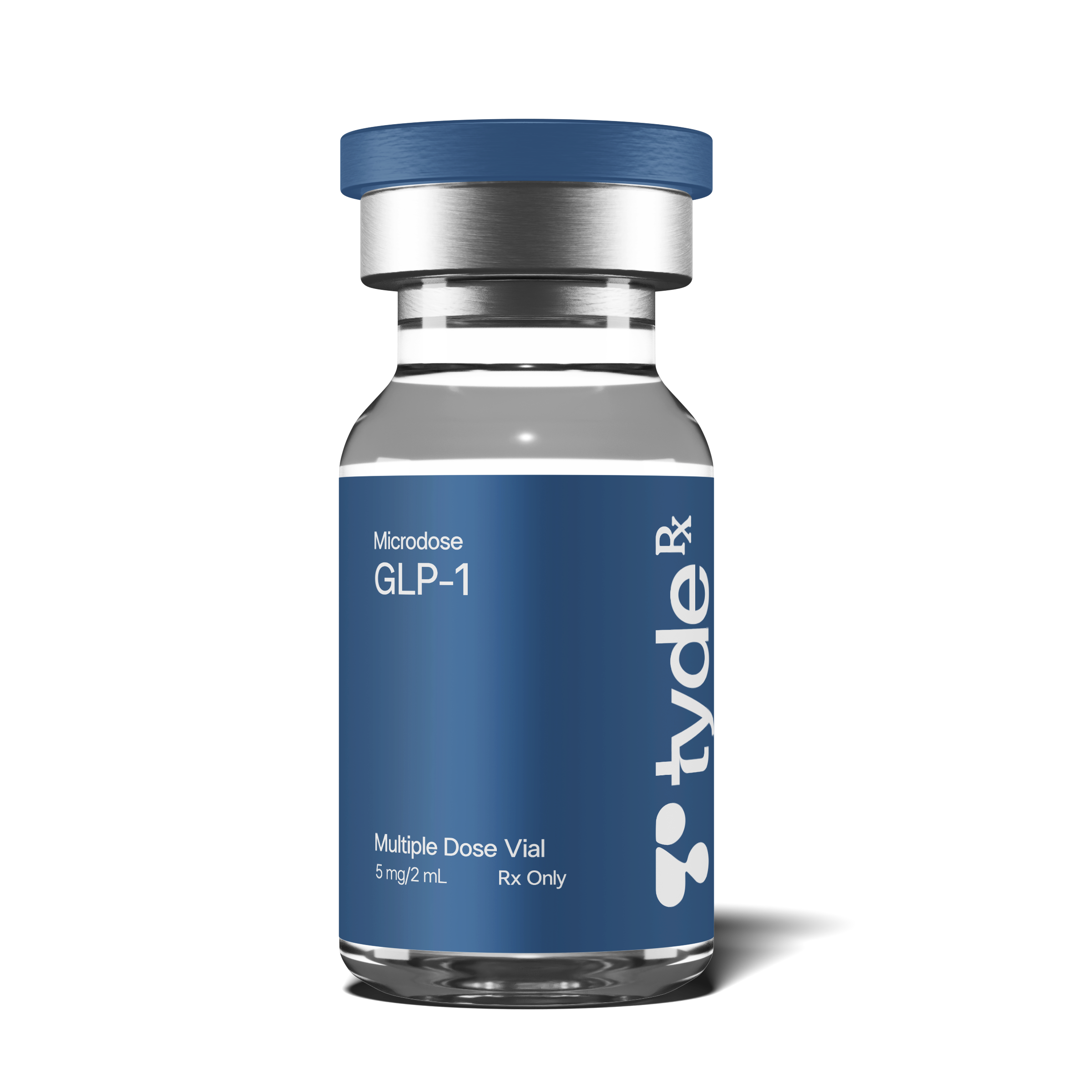
Compounded Tirzepatide
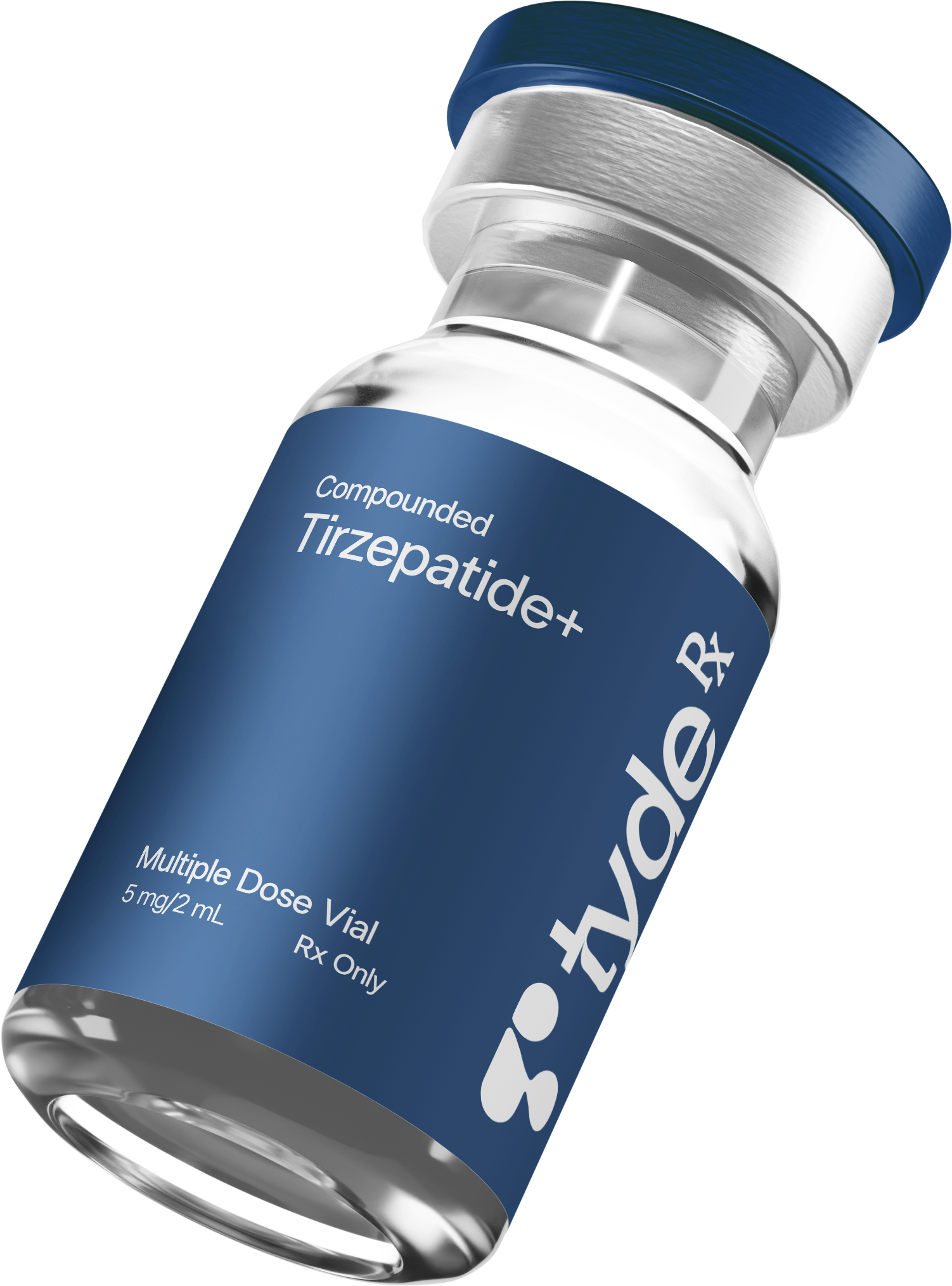
Prepared for an individual patient when medically appropriate.
Refer to your pharmacy label for your formulation and instructions.
Compounded tirzepatide is a prescription compounded medication prepared for an individual patient when a licensed clinician determines that a compounded option is medically appropriate. Tirzepatide acts at GIP and GLP-1 receptors involved in appetite and metabolic signaling. Compounded drugs are not FDA-approved and are not reviewed by FDA for safety, effectiveness, or quality before marketing.
A compounded prescription is prepared for a patient when a clinician determines it is medically appropriate.
Your prescription and pharmacy label specify the formulation and directions for your medication.
Compounded drugs are not FDA-approved or reviewed by FDA for safety, effectiveness, or quality before marketing.



Tirzepatide acts at both GIP and GLP-1 receptors involved in appetite and metabolic signaling. For compounded treatment, your clinician determines whether a compounded formulation is medically appropriate for your individual needs.
FDA does not review compounded drugs for safety, effectiveness, or quality before marketing. Review the safety information and discuss questions with your provider.
Review dosingWhat you’ve tried, what you take now, and what might make treatment unsafe all matter. A licensed provider reviews those details before deciding whether compounded tirzepatide is appropriate for you.

Tell us about your health history, current medications, prior treatment, and goals.
A licensed provider determines whether a compounded option is medically appropriate for your needs.
If prescribed, review the specific formulation, pharmacy label, costs, and next steps.
Check in about response, tolerability, questions, and any medically appropriate changes.
Clear clinical review, practical support, and a care team you can stay connected to.
Compounded treatment is considered only after a licensed provider reviews whether it is medically appropriate for your needs.
Message your care team about treatment, follow-up, or how you’re feeling.
Review your prescribed plan and applicable costs before moving forward.
Discuss response, tolerability, and whether another clinical review is appropriate.

Compounded medication is considered individually. A licensed provider must determine that this option is medically appropriate for your specific needs.
A clinician must determine that a compounded option is appropriate for your specific needs.
Share current conditions and prior treatment that may affect suitability.
List every medicine so your provider can evaluate treatment in context.
Describe what you have tried, how you responded, and any concerns you experienced.
Your prescribed formulation and dosing instructions come from your clinician and dispensing pharmacy. Follow those directions for your medication.
Follow the dosing instructions provided by your prescriber and dispensing pharmacy. Do not change your dose unless your clinician directs you to do so.


$299 per month, or $807 prepaid for 3 months ($269 per month equivalent). Includes consultation, medication and shipping. No separate Tyde membership fee.

Monthly treatment: $299. Three-month treatment: $807 paid upfront, equivalent to $269 per month.
Includes consultation, medication and shipping. No separate Tyde membership fee.
The three-month amount is charged upfront; it is not a monthly installment plan.
Practical answers before you begin.
No. A licensed provider reviews your information and determines whether treatment is appropriate. Completing the assessment does not guarantee a prescription.
No. Compounded drugs are not FDA-approved. Your provider should determine whether a compounded medication is appropriate for your individual clinical needs.
Use the directions supplied by your prescriber and dispensing pharmacy for your specific formulation. If anything is unclear, contact them before using the medication.
You can message your care team about treatment questions, your experience, and follow-up. Your clinician determines whether any changes to your plan are appropriate.
Your safety is our first priority. Learn more about key medication details, side effects, and other important info about your treatment.
FOUNDAYO is a prescription medicine used with a reduced-calorie diet and increased physical activity to help adults with obesity, or some adults with overweight who also have weight-related medical problems, to lose excess body weight and keep the weight off.
• FOUNDAYO should not be used with other GLP-1 receptor agonist medicines.
• It is not known if FOUNDAYO is safe and effective for use in children.
WARNING: RISK OF THYROID C-CELL TUMORS See full prescribing information for complete boxed warning.
FOUNDAYO may cause serious side effects including:
Possible thyroid tumors, including cancer. Tell your healthcare provider if you get a lump or swelling in your neck, hoarseness, trouble swallowing, or shortness of breath. These may be symptoms of thyroid cancer. In studies with rodents, medicines that work like FOUNDAYO caused thyroid tumors, including thyroid cancer.
Before using FOUNDAYO, talk to your healthcare provider about low blood sugar and how to manage it. Tell your healthcare provider if you are taking medicines to treat diabetes including an insulin or sulfonylurea. Know the medicines you take. Keep a list of them to show your healthcare provider and pharmacist when you get a new medicine.
Tell your healthcare provider about all the medicines you take, including prescription and over-the-counter medicines, vitamins, and herbal supplements. FOUNDAYO may affect the way some medicines work, and some medicines may affect the way FOUNDAYO works.
Talk to your healthcare provider if you have any side effect that bothers you or that does not go away. These are not all the possible side effects of FOUNDAYO. Call your doctor for medical advice about side effects. You may report side effects to FDA at 1-800-FDA-1088.
• Store at room temperature between 68°F to 77°F (20°C to 25°C).
• FOUNDAYO is sensitive to light. Protect FOUNDAYO from light by keeping it in the original bottle and carton and replacing the cap each time after opening.
• If you no longer have the carton, store the bottle away from light. Keep FOUNDAYO and all medicines out of the reach of children.
Do not use FOUNDAYO for a condition for which it was not prescribed. Do not give FOUNDAYO to other people, even if they have the same condition you have. It may harm them. You can ask your pharmacist or healthcare provider for information about FOUNDAYO that is written for health professionals.
Your safety is our first priority. Learn more about key medication details, side effects, and other important info about your treatment at the link below.
OZEMPIC® (semaglutide) is a glucagon-like peptide-1 (GLP-1) receptor agonist indicated as:
WARNING: RISK OF THYROID C-CELL TUMORS See full prescribing information for complete boxed warning.
Side Effects Most common side effects (incidence ≥ 5%) in adults or pediatric patients aged 12 years and older are: nausea, diarrhea, vomiting, constipation, abdominal pain, headache, fatigue, dyspepsia, dizziness, abdominal distension, eructation, hypoglycemia in patients with type 2 diabetes, flatulence, gastroenteritis, gastroesophageal reflux disease, and nasopharyngitis.
To report SUSPECTED ADVERSE REACTIONS, contact the FDA at 1-800-FDA-1088 or www.fda.gov/medwatch
DRUG INTERACTIONS OZEMPIC® delays gastric emptying. May impact absorption of concomitantly administered oral medications. Use with caution.
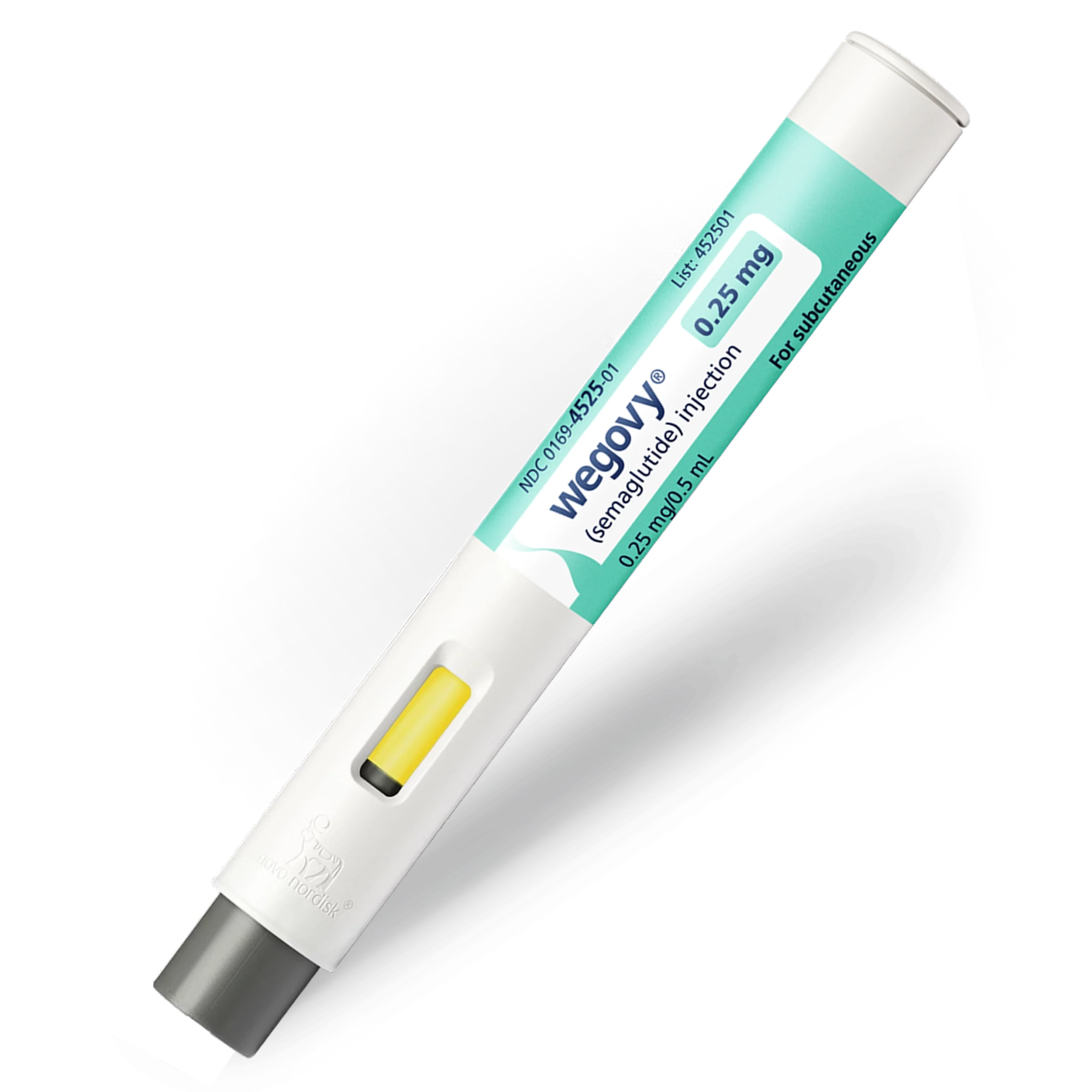
Wegovy® tablets are prescription GLP-1 medication used with a reduced-calorie diet and increased physical activity for long-term weight reduction in adults with obesity, or adults with overweight and at least one weight-related condition. They are also indicated to reduce the risk of major cardiovascular events in adults with established cardiovascular disease and either obesity or overweight. See the full Prescribing Information, including the boxed warning and the Medication Guide for complete details.
Semaglutide causes thyroid C-cell tumors in rodents. It is unknown whether it causes such tumors, including medullary thyroid carcinoma (MTC), in humans. Do not use Wegovy® if you or a family member have had MTC, or if you have multiple endocrine neoplasia syndrome type 2 (MEN 2).
Do not take Wegovy® if you have had a serious allergic reaction to semaglutide or any of the tablet ingredients. Do not use Wegovy® with another semaglutide-containing product or another GLP-1 receptor agonist.
Talk with your healthcare provider about your medical history and medicines, particularly a history of pancreatitis, gallbladder disease, kidney problems, severe stomach problems, diabetic eye disease, or use of insulin or medicines that increase insulin release. Wegovy® may cause pancreatitis, gallbladder problems, low blood sugar (particularly with certain diabetes medicines), dehydration-related kidney problems, severe gastrointestinal reactions, and serious allergic reactions. Wegovy® is not recommended for people with severe gastroparesis. Tell your healthcare team if you are scheduled for surgery or a procedure involving anesthesia or deep sedation.
Wegovy® may harm an unborn baby. Tell your healthcare provider if you are pregnant or plan to become pregnant; stop Wegovy® at least 2 months before a planned pregnancy. Wegovy® can delay stomach emptying and may affect absorption of medicines taken by mouth. Tell your provider about everything you take.
Common side effects include nausea, diarrhea, vomiting, constipation, abdominal pain, headache, tiredness, indigestion, dizziness, bloating, belching, and heartburn. Contact your healthcare provider if side effects bother you or do not go away.
Follow your own prescription label and the current Medication Guide. This summary does not replace the complete Wegovy® Prescribing Information.
Your safety is our first priority. Learn more about key medication details, side effects, and other important info about your treatment.
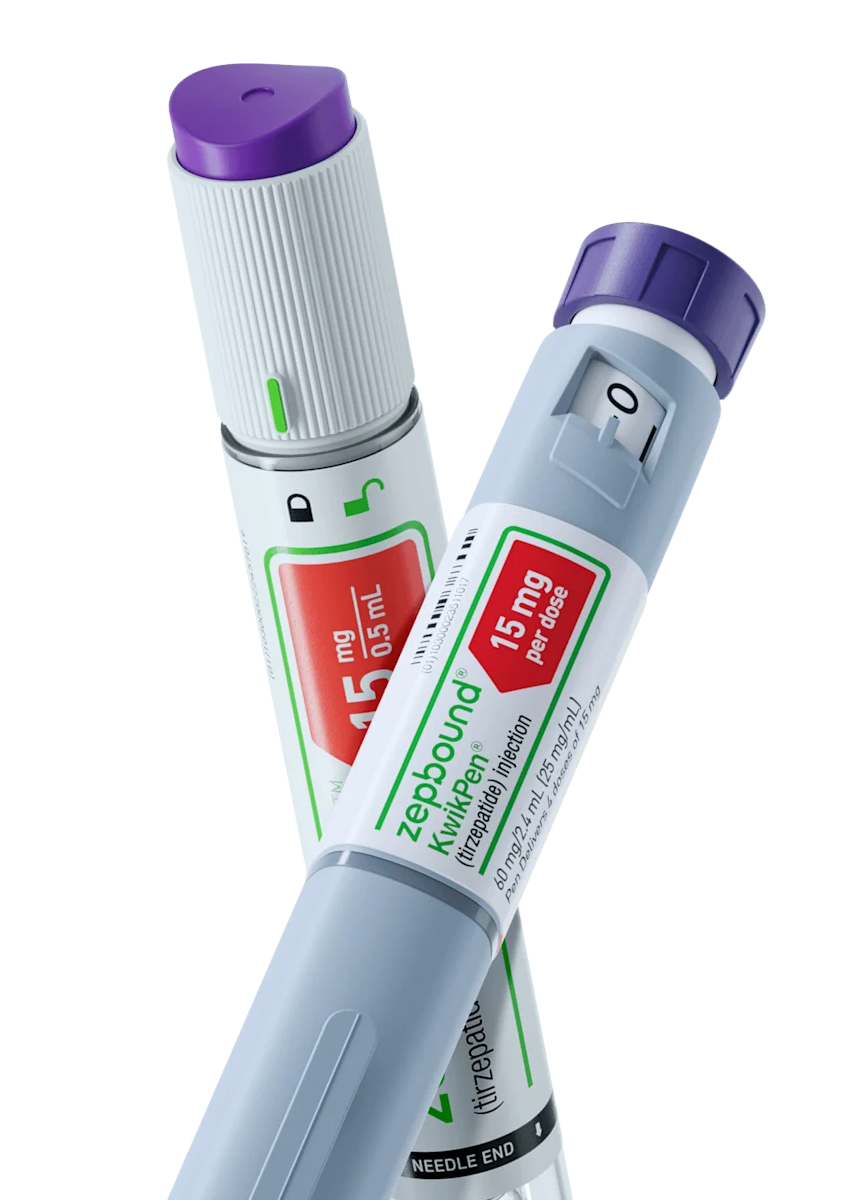
ZEPBOUND® (tirzepatide) Injection is a glucose-dependent insulinotropic polypeptide (GIP) receptor and glucagon-like peptide-1 (GLP-1) receptor agonist indicated as an adjunct to a reduced-calorie diet and increased physical activity:
WARNING: RISK OF THYROID C-CELL TUMORS See full prescribing information for complete boxed warning.
Side Effects Most common side effects, reported in ≥ 5% of patients treated with ZEPBOUND® are: nausea, diarrhea, vomiting, constipation, abdominal pain, dyspepsia, injection site reactions, fatigue, hypersensitivity reactions, eructation, hair loss, gastroesophageal reflux disease
To report SUSPECTED ADVERSE REACTIONS, contact the FDA at 1-800-FDA-1088 or www.fda.gov/medwatch
DRUG INTERACTIONS ZEPBOUND® delays gastric emptying and has the potential to impact the absorption of concomitantly administered oral medications
Your safety is our first priority. Learn more about key medication details, side effects, and other important info about your treatment.
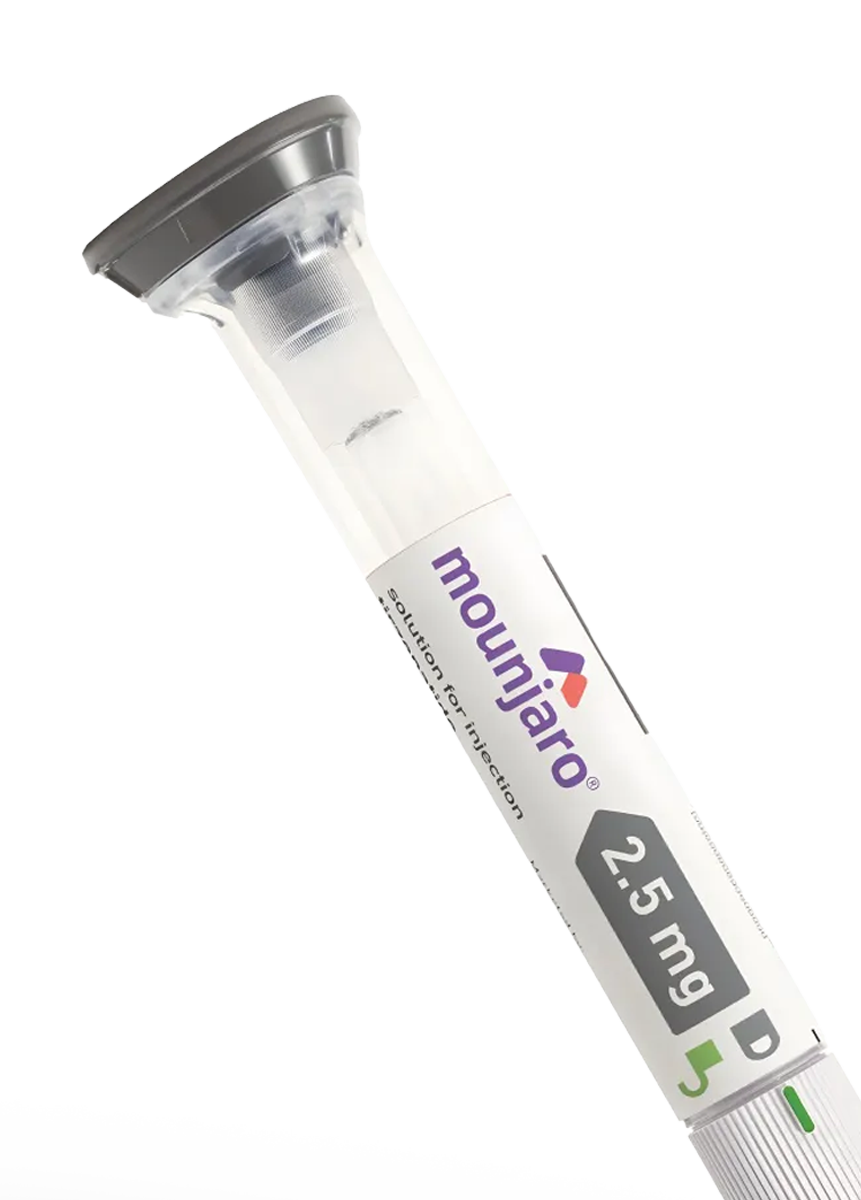
MOUNJARO® (tirzepatide) is a glucose-dependent insulinotropic polypeptide (GIP) receptor and glucagon-like peptide-1 (GLP-1) receptor agonist indicated as:
WARNING: RISK OF THYROID C-CELL TUMORS See full prescribing information for complete boxed warning.
Side Effects Most common side effects (incidence ≥ 5%) of patients treated with MOUNJARO®: nausea, diarrhea, vomiting, decreased appetite, constipation, dyspepsia, and abdominal pain
To report SUSPECTED ADVERSE REACTIONS, contact the FDA at 1-800-FDA-1088 or www.fda.gov/medwatch
DRUG INTERACTIONS MOUNJARO® delays gastric emptying. May impact absorption of concomitantly administered oral medications. Use with caution.
Warning: Risk of Thyroid C-Cell Tumors
What is the FDA-approved use of Wegovy?
Limitations of Use:
Who should not use Wegovy?
Do not use Wegovy if:
How should Wegovy be administered?
You can take Wegovy with or without food. The pre-filled injector pen is self-administered as a subcutaneous injection in the stomach, thigh, or upper arm once a week on the same day every week. Your prescribing provider will guide you on a treatment regimen that may include an increase in dose every four weeks.
You should not change your dosing regimen or stop taking Wegovy as prescribed without discussing with your provider first.
What should I tell my prescribing provider before using Wegovy?
Wegovy has certain drug interactions. It’s important to tell your prescribing provider all of the medications you are currently taking, including prescription, over-the-counter medications, vitamins, and herbal and dietary supplements.
Some medications to watch out for include:
It’s important to share your entire medical history with your provider. In particular, tell your provider if you have a past history of:
Tell your provider if you are pregnant, planning to become pregnant, or breastfeeding.
Pregnancy registry: There is a pregnancy exposure registry that monitors pregnancy outcomes in women exposed to semaglutide (the active ingredient in Wegovy and Ozempic) during pregnancy. Pregnant women exposed to semaglutide and healthcare providers are encouraged to contact Novo Nordisk at 1-877-390-2760 or www.wegovypregnancyregistry.com.
Withholding or providing inaccurate information about your health and medical history in order to obtain treatment may result in harm, including, in some cases, death.
What are the most serious side effects that I or a caregiver should monitor for when taking Wegovy?
If you are experiencing a medical emergency, call 911 or seek immediate medical attention.
These serious side effects can occur with Wegovy. You or a caregiver should carefully monitor for these side effects, especially in the beginning of treatment and with dose changes.
What are the most common side effects of Wegovy?
You are encouraged to report negative side effects of prescription products:
This information is not comprehensive. Please see the full Prescribing Information for complete safety information.
Complete the online assessment to find out whether treatment may be appropriate for you.
Compounded drugs are not FDA-approved and are not reviewed by FDA for safety, effectiveness, or quality before marketing. Prescription treatment requires evaluation by a licensed provider. Eligibility, formulation, treatment selection, and dosing are determined based on individual clinical factors.
Personalized compounded drugs are permitted to be prescribed under federal law but are not FDA-approved and do not undergo safety, effectiveness, or manufacturing review. Your Health provider may recommend certain doses of personalized compounded tirzepatide based on your medical evaluation.
Indications and Use:
Personalized compounded tirzepatide is an injectable prescription medicine that may help adults with obesity, or with excess weight (overweight) who also have weight-related medical problems, lose weight and keep it off. It should be used with a reduced-calorie diet and increased physical activity.
Personalized compounded tirzepatide is a synthetic, dual-acting glucagon-like peptide-1 (GLP-1) and GIP receptor agonist used for chronic weight management, along with a reduced calorie diet and increased physical activity, for people with an initial body mass index (BMI) of:
Personalized compounded tirzepatide should not be used with other tirzepatide-containing products or any GLP-1 receptor agonist medicines. It is not known if tirzepatide is safe and effective when taken with other prescription, over-the-counter, or herbal weight loss products. It is not known if tirzepatide can be used in people who have had pancreatitis. It is not known if tirzepatide is safe and effective for use in children under 18 years of age.
Important Safety Information for Personalized Compounded Tirzepatide Injection
Warning: Risk of Thyroid C-Cell Tumors
Is Personalized Compounded Tirzepatide FDA Approved?
Personalized compounded tirzepatide is not FDA approved and does not undergo the same rigorous efficacy and safety checks as do FDA-approved medications. Personalized compounded tirzepaitde may be used along with a reduced-calorie diet and increased physical activity for chronic weight management in adults with an initial body mass index (BMI) of:
Limitations of Use:
Note: Personalized compounded medications are not FDA approved and do not have indications for treatment as an FDA approved medication would. The above are suggestions for use of personalized compounded tirzepatide while the FDA approved therapies remain on shortage.
Who should not use Personalized Compounded Tirzepatide?
Do not use personalized compounded tirzepatide if:
How should I take Personalized Compounded Tirzepatide?
You can take personalized compounded tirzepatide with or without food. The pre-filled injector pen is self-administered as a subcutaneous injection in the stomach, thigh, or upper arm once a week on the same day every week. Your provider will guide you on a treatment regimen that may include an increase in dose every four weeks.
You should not change your dosing regimen or stop taking personalized compounded tirzepatide as prescribed without discussing with your provider first.
What should I tell my provider before using Personalized Compounded Tirzepatide?
Some medications to watch out for include:
Withholding or providing inaccurate information about your health and medical history in order to obtain treatment may result in harm, including, in some cases, death.
What are the most serious side effects that I or a caregiver should monitor for when taking personalized compounded tirzepatide?
If you are experiencing a medical emergency, call 911 or seek immediate medical attention.
These serious side effects are rare, but can occur with personalized compounded tirzepatide. You or a caregiver should carefully monitor for these side effects, especially in the beginning of treatment and with dose changes.
What are the most common side effects of personalized compounded tirzepatide?
You are encouraged to report negative side effects of prescription products to the FDA. Visit www.fda.gov/medwatch or call 1-800-FDA-1088.
Before using Personalized Compounded Tirzepatide
Review these questions with your healthcare provider:
How to take
Learn more
Personalized compounded tirzepatide is a prescription medicine. For more information on tirzepatide-containing products, please call 877-581-2210 to learn more or receive information regarding how to contact your pharmacy.
This summary provides basic information about personalized compounded tirzepatide but does not include all information known about this medicine. Read the information that comes with your prescription each time your prescription is filled. This information does not take the place of talking with your healthcare provider. Be sure to talk to your healthcare provider about personalized compounded tirzepatide and how to take it. Your healthcare provider is the best person to help you decide if personalized compounded tirzepatide is right for you.